Guides, insights, and best practices for turning AI prototypes into production applications
Build your app with AI and preparing to launch? This audit guide helps founders check the most important risks before real users, payments, and scale arrive, including auth, data ownership, secrets, payments, AI usage, monitoring, performance, and deployment safety.
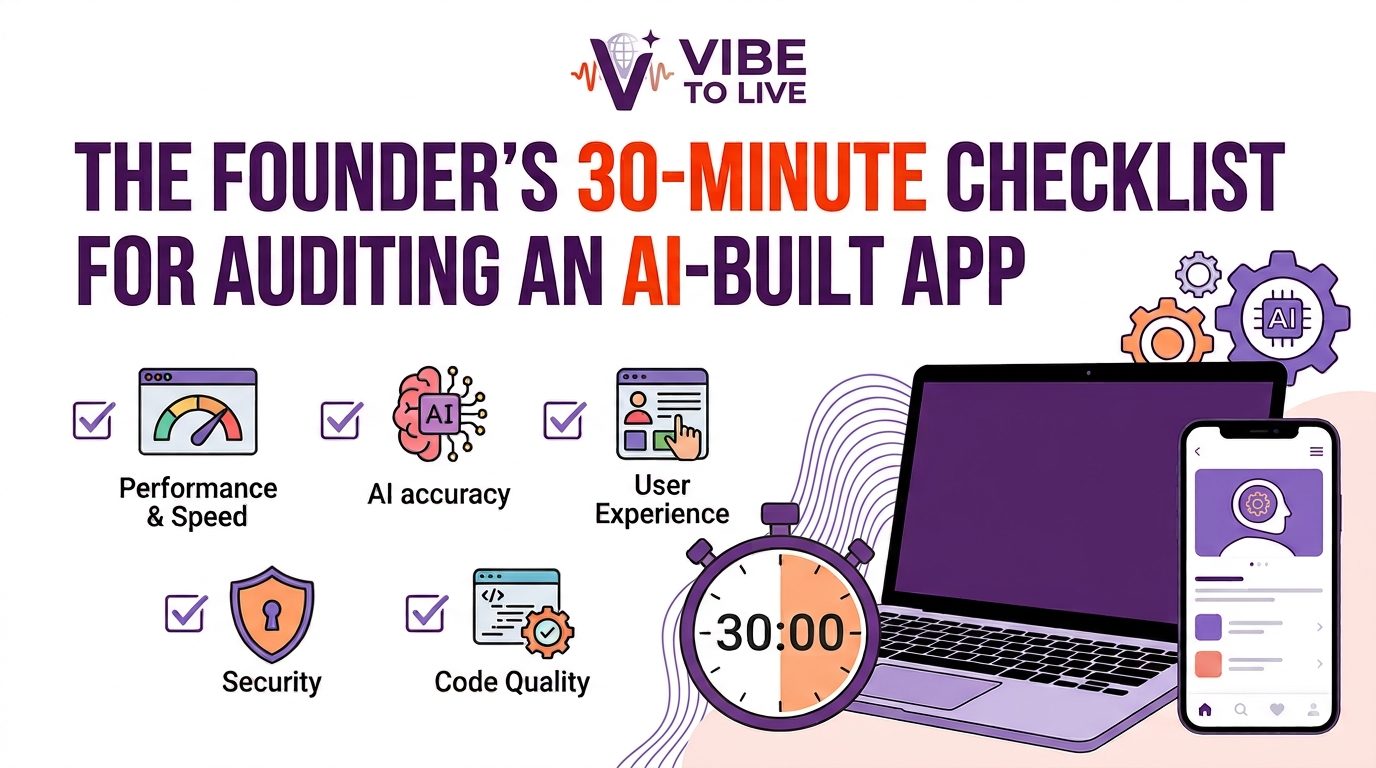
Built your app with AI and getting ready to launch? Use this founder-friendly 30-minute checklist to audit security, payments, auth, database access, AI usage, monitoring, performance, and launch readiness before real users find the risks.
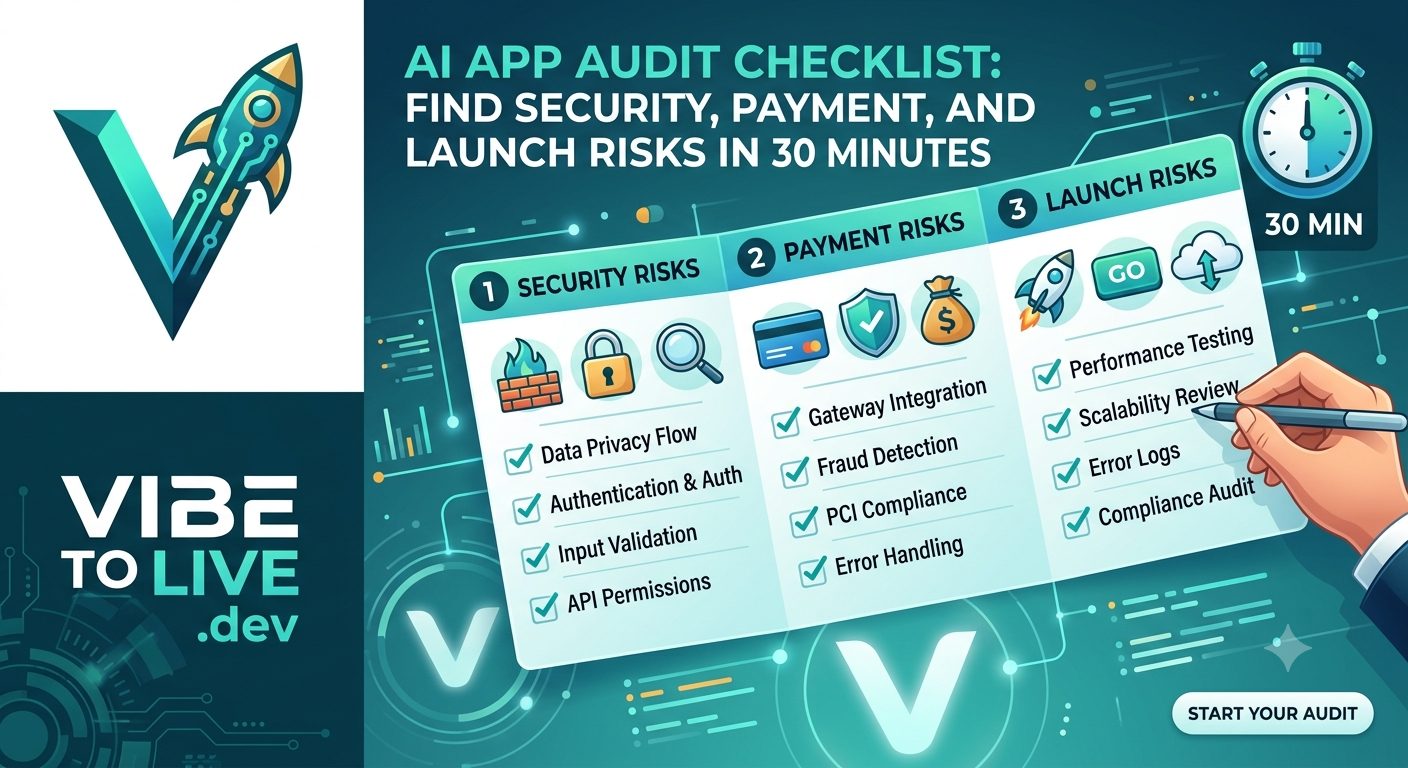
Built an app with AI and unsure if it is ready for real users? Use this 30-minute AI app audit checklist to find security gaps, payment risks, exposed secrets, weak database rules, missing monitoring, and launch blockers before users or customers discover them.
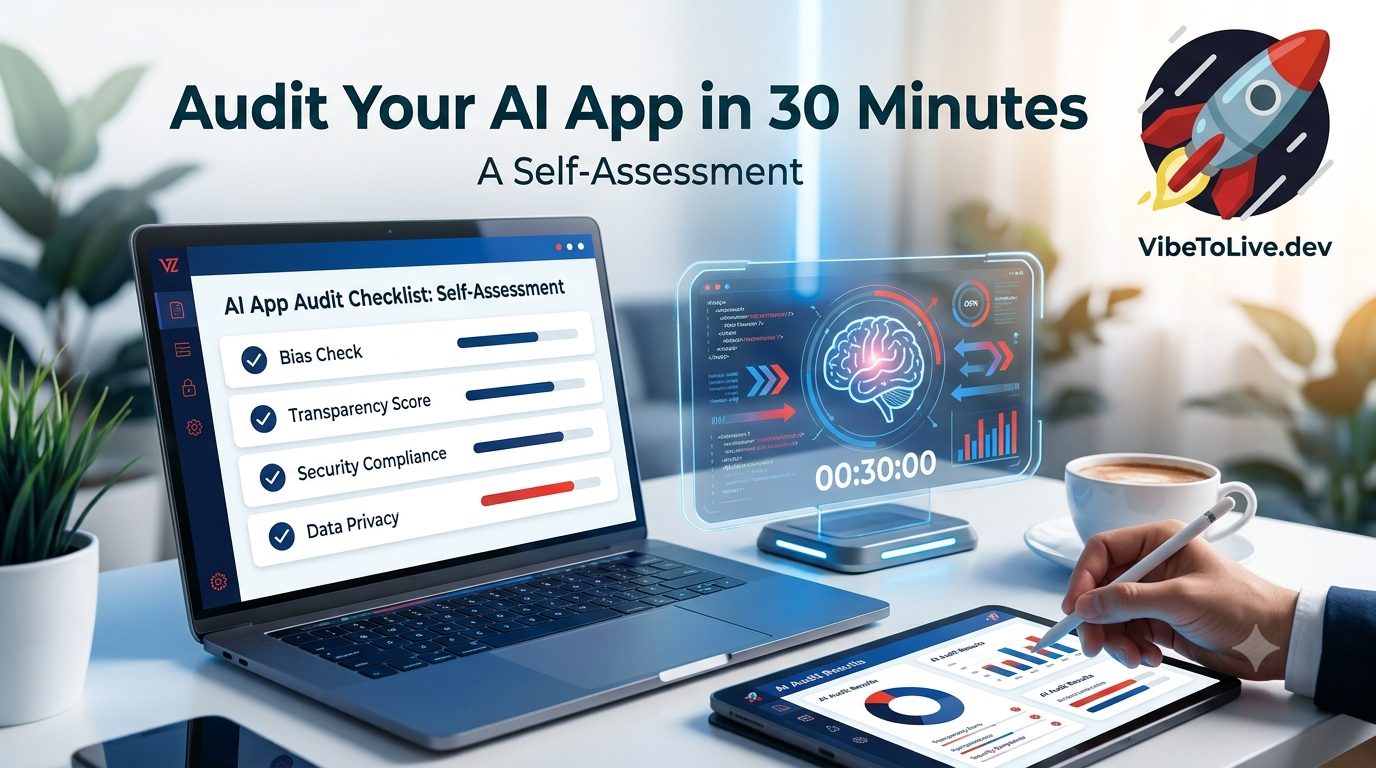
Built an app with AI? Use this 30-minute self-assessment to quickly audit security, auth, payments, database logic, AI usage, monitoring, performance, deployment safety, and production readiness before real users expose hidden risks.
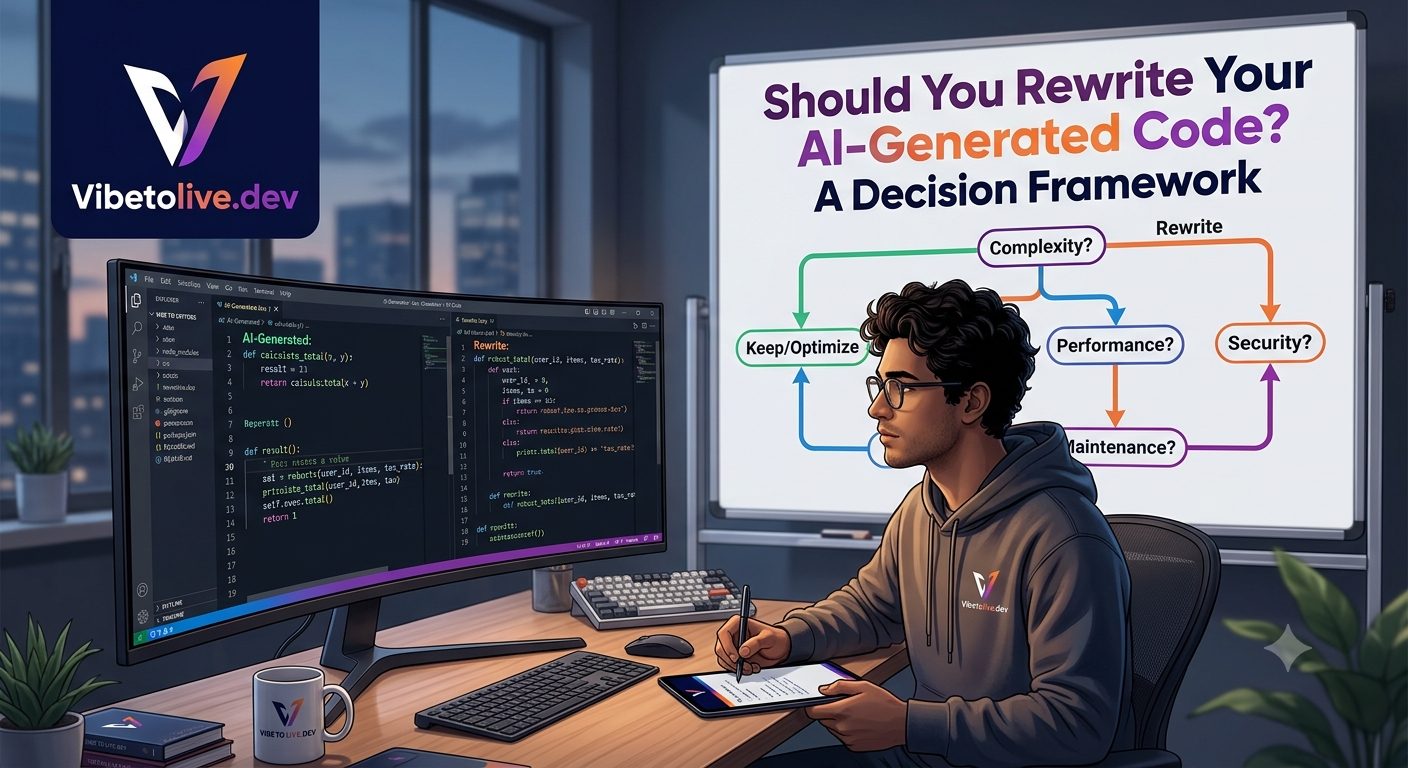
AI-generated code can help you launch fast, but not every messy codebase needs a full rewrite. Use this decision framework to decide whether to refactor, harden, partially rebuild, or rewrite your AI-built app before it becomes expensive to maintain.
Cursor can help you build a working app fast, but performance problems often appear when real users arrive. Learn why Cursor-built apps slow down past 100 users and how to fix database queries, API calls, caching, frontend rendering, AI usage, and deployment bottlenecks before growth breaks the product.